VE Day
Pamela's WarVE Day is the public turning point at which the European war is declared nearly over, but its meaning in the narrative is deliberately double-edged. It brings victory, relief, and communal celebration after years of bombing, bereavement, separation, danger, and deprivation; it also exposes how little a national triumph can restore to those who have lost loved ones or been permanently changed by wartime life.
Causes and Background
The declaration follows a conflict that has tested both the country’s physical survival and its emotional endurance. London has endured months of continuous nightly bombing intended to break the population’s spirit, while the attack on Coventry on 14 November 1940 sends a glow visible from forty miles away. The bombardment continues for hours, destroys a beautiful medieval city, and kills many thousands in their homes. The same assault on cherished cities reaches Bath, Canterbury, York, Norwich, and Exeter, whose architectural landscapes are altered by bombing. Families are also divided when children are evacuated to the countryside, with separations that may damage family relationships long after the immediate danger has passed.
The war’s private costs accumulate alongside its military history. Bonzo, Pamela Wheeler Fellows’s beloved dog, is killed in the darkness of the Woodman Hotel car park by a motorcar whose blackout-restricted headlights illuminate only a tiny, useless area. The death is treated as an accident of war, but the loss remains intensely personal: Bonzo’s love of motorcars becomes the ironic means of his death, and his burial is concealed from Pamela while the family tells her that he has run away. Wartime danger also destroys the possibility of Pamela’s first great love. David, a twenty-four-year-old Royal Air Force man, becomes her admirer and then the man she believes she will marry, but on 5 September 1941 she is overcome during a wedding in Dudley by a foreboding so powerful that she feels physically ill and becomes certain that David has died. She is right. Her wreath of twelve red roses is placed on his coffin in Scotland, and grief makes the promised future impossible.
What Happens
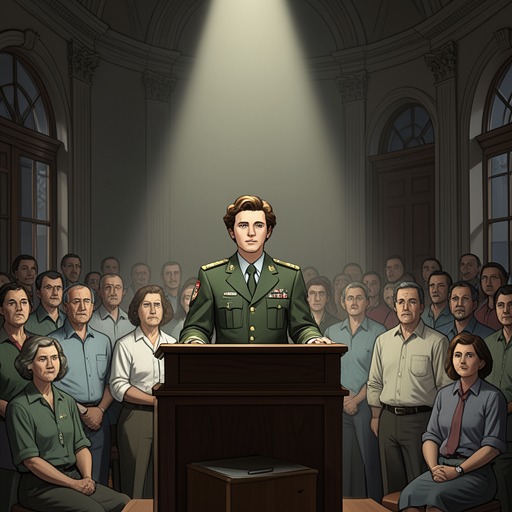
On 8 May, “Victory in Europe” is declared and the fighting is almost over. The declaration changes the prevailing value of the wartime world from threatened defeat to survival and victory, yet the narrator presents that change with the knowledge that it has arrived after an appalling human price. The earlier fear that the war might have gone the other way gives way to the emphatic recognition that the enemy has not won and that Britain and its allies are the victors.
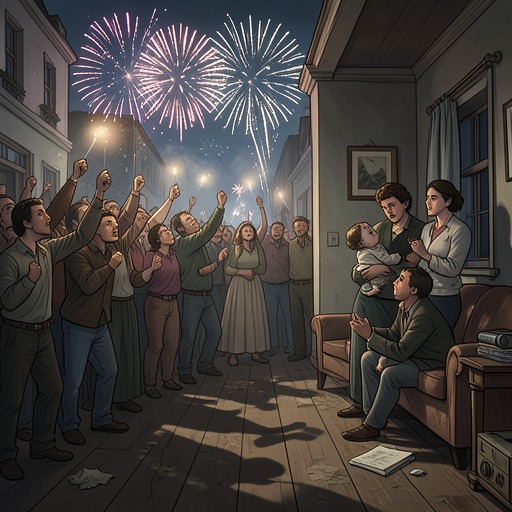
The public response is immediate and theatrical. On VE Day and during the days and weeks afterward, streets fill with parties, trestle tables covered in colourful cloths, bunting looped between houses, and Union Jacks hanging from windows. Sandwiches, trifles, jelly, and cake appear as hoarded food is brought out to create a feast despite rationing. Fireworks and bonfires become visible signs of freedom from the tyranny that had been feared for so long. Celebration therefore operates as both release and collective ritual: private households turn outward, and scarcity is temporarily transformed into shared abundance.
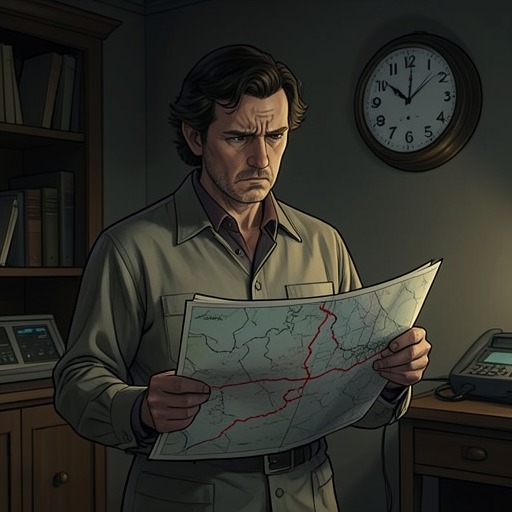
The event is not experienced uniformly. At John Fellows’s parents’ home, there is no uncomplicated celebration because Rex Fellows has been missing for months. The family knows that John Fellows is safe in the desert, where he occupies himself by making sand yachts, and that Derek and Megan are safe, but Rex’s fate remains unknown after fighting with his unit at the centre of the European battle. The arrival of a telegram addressed to Rex’s father produces the particular terror associated with wartime official notifications, which usually announce that a relative is missing or dead. VE Day thus places jubilation and dread in the same domestic frame: the nation celebrates while one family waits for the sentence that may confirm its loss.
Consequences and Aftermath
VE Day does not erase the dead. Pamela’s mourning for David remains present even amid the national victory, and the words of Vera Lynn’s song, “We’ll meet again,” provide comfort precisely because so many young men have vanished from the hotel’s circle. Of an original group of twenty young men who came for drinks, the number diminishes week by week as they are reported missing or dead. The lack of detail, supposedly intended to protect military secrecy or morale, makes the losses worse rather than easier to bear. The victory therefore contains an unresolved ledger of absences.
The wider wartime spirit has depended on converting fear into mutual support. Radio broadcasts, Churchill’s speeches, comedy programmes, music, and communal singing help people endure shortages and danger, while the shared enemy lowers ordinary reserve: strangers speak like old friends and offer one another lifts. VE Day gives this social solidarity a visible public form through parties and flags, but the celebration also reveals its limits. Community can help people survive; it cannot return Bonzo, David, or the many young men who never come home.
The declaration is followed by a period of difficult adjustment rather than instant restoration. Three days after the later defeat of Japan, the narrator turns twenty-one, and the survival of the remaining family and friends is set against the many who did not survive. Geoff, freed from three and a half years of captivity after Japan’s defeat, returns stick-thin and hollow-eyed, with health broken by ill treatment and a journey home prolonged by quarantine in America. His survival is described as fortunate but costly, and his recovery takes years. The war has ended in Europe, yet its consequences remain in bodies, memories, family histories, and altered expectations.
Historical and Narrative Significance
VE Day is the culmination of a movement from enforced endurance to public release, but the narrative refuses to make victory a simple happy ending. Pamela’s wartime life has included strict paternal surveillance while she is surrounded by young servicemen, a passionate relationship with David, dangerous work producing aircraft parts in a predominantly male factory for a woman’s rate of pay, and a hurried marriage to John Fellows arranged because his posting to Canada makes a special licence necessary. By the time Europe is declared victorious, survival has required continual adaptation rather than passive waiting.
The event also exposes the contrast between official national language and lived experience. “Victory in Europe” is a concise public declaration, while the surrounding personal history is crowded with darkness: a dog killed by blackout conditions, a lover buried far away, a group of young visitors reduced one by one, and families awaiting telegrams. The national story says that the fighting is almost over; the domestic story asks what kind of life can follow years in which danger, absence, and rationing have become ordinary.
For that reason, VE Day functions less as a final resolution than as a threshold. The country is victorious, but peace feels strange after so long at war, and the postwar world brings its own problems, including scarce housing and too few jobs. The event closes the European military crisis while opening a social and emotional aftermath in which survivors must learn how to live with what victory has saved, what it has destroyed, and how permanently the war has changed them.